Shoelaces by Type: The Right Fit for Every Shoe

Not all laces are created equal. The weave that secures a rugged work boot is vastly different from the refined finish required for a bespoke Oxford. At [Company Name], we’ve categorized our collection by functional type to ensure you find the exact technical specifications your footwear demands.

From high-friction sport laces designed to stay tied during movement to waxed cotton dress laces for a formal silhouette, select a category below to explore specialized lengths, materials, and styles tailored to your specific shoe type.
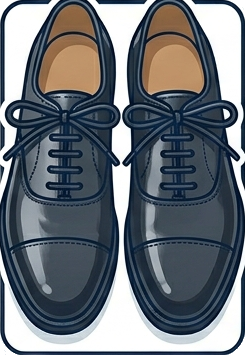
1 Item

Why does the type of shoelace matter?

The type of shoelace determines the durability, knot security, and aestheticof your shoe. For example, using a thick boot lace in a dress shoe will likely damage the eyelets, while a thin dress lace will quickly snap if used in a work boot. Choosing by type ensures the material properties match the shoe's intended use.

What are the most common materials for different shoelace types?
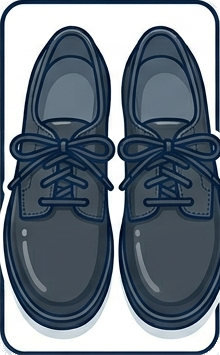
  • Dress: Primarily waxed cotton for sheen and grip.

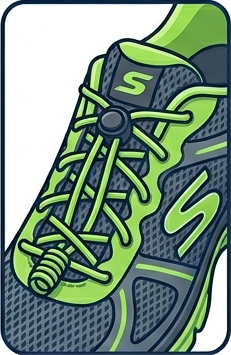
  • Sneaker/Sport: Usually polyester or nylon for stretch and sweat resistance.

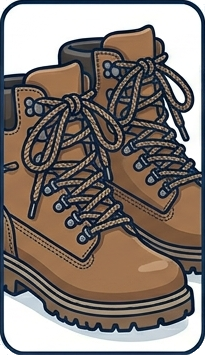
  • Boot: High-density braided synthetics or leather for maximum tensile strength.

Can I use sport laces in casual sneakers?

Absolutely. Many users opt for oval sport laces in casual sneakers because they are designed to stay tied better than standard flat factory laces. However, always check the length requirement, as sport laces often come in longer sizes for "heel-locking" techniques.

How do I know which category my shoe falls into?

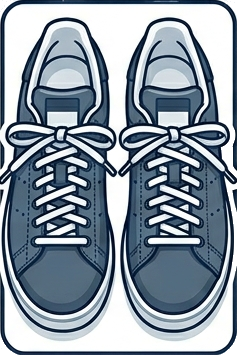
Think about the eyelet size. Small, discreet holes usually require Dress laces. Standard punched holes (like on Vans or Converse) use Sneaker laces. Large metal eyelets or speed hooks almost always require Boot laces.

Loading...
Loading...
loader
Loading...